Over the years, I have noticed that many people who struggle with sleep describe the same experience.
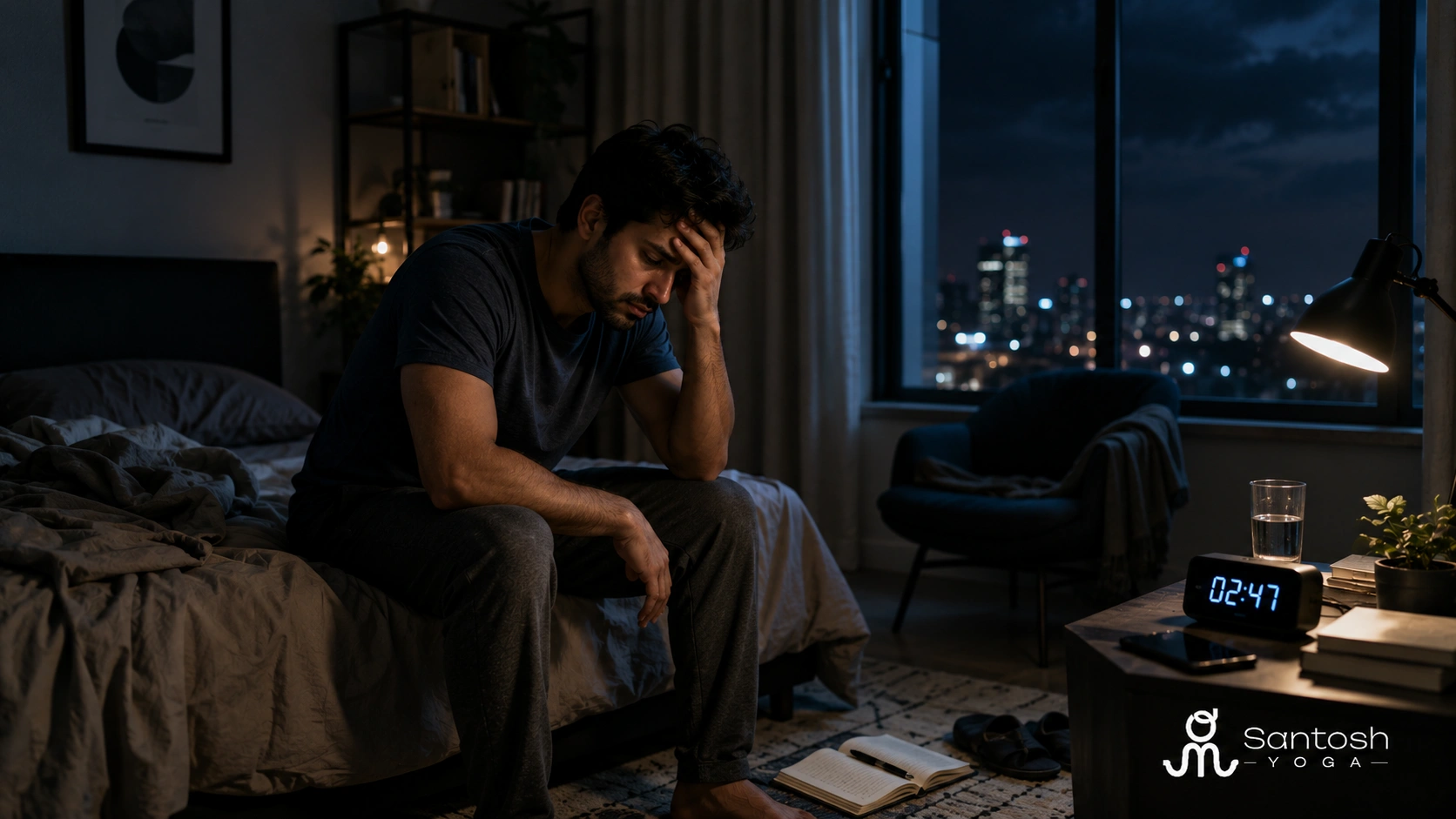
They are exhausted, but they are not sleepy.
Their bodies feel tired. Their eyes want to close. Yet the moment they lie down, the mind becomes active. Thoughts continue moving. Small worries become larger. The body is ready for rest, but the nervous system has not yet received the message.
This is one reason why so many people have started exploring yoga nidra for sleep as a natural way to support relaxation and recovery.
Unlike many approaches that attempt to force sleep, Yoga Nidra creates conditions in which sleep may arise naturally. Through guided awareness, breathing, and deep relaxation, the body gradually shifts toward rest while the mind becomes quieter and less reactive.
A traditional yoga nidra sleep meditation practice occupies a unique space between wakefulness and sleep. Some people remain aware throughout the session. Others drift naturally into sleep before the practice ends. In my experience, both responses are completely natural.
What has always fascinated me about this practice is its simplicity. It does not ask us to try harder, think differently, or perform anything successfully. Instead, it offers something many of us have forgotten how to access: deep rest without effort.
For those looking for a guided sleep meditation that supports nervous system relaxation rather than forcing sleep, this traditional practice offers a different and often deeply restorative approach.
What Is Yoga Nidra for Sleep?
When people first hear the phrase yoga nidra for sleep, they often assume it is simply a meditation designed to make them fall asleep faster.
In my experience, the practice works a little differently.
Traditional Yoga Nidra is not primarily a sleep technique. It is a practice of conscious relaxation in which the body enters a state of profound rest while awareness remains gently present. Yet because so many people struggle to relax deeply, this state of conscious rest often creates conditions that naturally support sleep.
During a typical practice, you lie down comfortably and follow a series of guided instructions. Attention gradually moves through the body, the breath, sensations, and awareness itself. As physical tension decreases and mental activity begins to settle, many practitioners find themselves moving into a state that feels somewhere between wakefulness and sleep.
Some remain aware throughout the entire practice. Others drift naturally into sleep before the session ends. Both experiences are common.
What makes this approach particularly helpful for sleep is that it does not ask you to force anything. There is no pressure to “fall asleep,” stop thinking, or achieve a particular result. Instead, the practice creates an environment in which the nervous system can gradually shift from activity toward restoration.
In many ways, this reflects a traditional yogic understanding that remains highly relevant today: sleep cannot be commanded. It can only be invited.
If you would like to learn more about the origins, philosophy, and traditional practice, you can read our complete guide on What Is Yoga Nidra.
How Yoga Nidra Helps You Sleep Better
One of the most important things I have learned from teaching Yoga Nidra is that many people who struggle with sleep do not necessarily have a sleep problem.
They have a relaxation problem.
The body may feel tired, but the nervous system remains alert. Thoughts continue moving. Muscles remain subtly tense. Even while lying in bed, the body behaves as though it still needs to remain active.
This is where traditional Yoga Nidra can be particularly helpful.
Rather than attempting to force sleep, the practice gradually creates conditions that support rest and recovery. As attention moves through the body and awareness becomes quieter, several things often happen naturally:
Breathing Becomes Slower
When we are stressed or mentally active, breathing tends to become shallow and irregular.
During practice, breathing often slows without any conscious effort. This shift can signal to the nervous system that it is safe to relax.
Physical Tension Begins to Release
Many people carry tension throughout the day without realizing it, in the jaw, shoulders, abdomen, hands, and even the muscles around the eyes.
As awareness systematically moves through the body, these areas often begin to soften. In traditional teachings, this process is not viewed as something we force, but something we allow.
Mental Activity Gradually Quietens
Rather than trying to stop thoughts altogether, attention is guided through a structured sequence. Over time, worries, planning, and mental chatter often become less dominant.
The Nervous System Shifts Toward Recovery
Modern research has increasingly explored how deep relaxation practices influence the autonomic nervous system.
Traditional yogic teachings described this process differently, through concepts such as pratyahara and conscious withdrawal from sensory activity. Yet both perspectives describe a similar experience: the body gradually shifts away from vigilance and toward restoration.
This process of nervous system relaxation may help explain why many practitioners report feeling deeply rested after practice, even if they do not fall asleep immediately.
Sleep Happens Naturally
Perhaps the most important aspect of the practice is that it removes the pressure to sleep.
Anyone who has struggled with insomnia knows that trying harder to sleep rarely works. What often helps instead is creating conditions in which sleep can arise on its own.
This is why many people who explore deep sleep meditation, guided relaxation before bed, and traditional Yoga Nidra eventually discover something unexpected:
The less they try to sleep, the easier sleep often becomes.
Benefits of Yoga Nidra Before Bed
Many people initially practice yoga nidra before bed for one simple reason: they want to fall asleep more easily.
What often surprises them is that the benefits extend beyond the process of falling asleep itself. Some of the most commonly reported benefits include:
Easier Transition Into Sleep
For many people, the most difficult part of the night is not sleeping itself, but falling asleep.
By reducing mental stimulation and encouraging physical relaxation, Yoga Nidra may help create conditions that support a smoother transition into sleep.
Reduced Restlessness
Many practitioners notice that they feel less mentally and physically restless after a session.
Rather than continuing to replay conversations, plan for tomorrow, or worry about unfinished tasks, the mind often becomes quieter and less reactive.
Greater Feelings of Recovery
Traditional yogic teachings have long emphasized that conscious rest can be deeply restorative.
Even when practitioners remain awake throughout the session, many report feeling refreshed, calmer, and more restored afterward. This experience of sleep support through conscious relaxation is one reason the practice has remained relevant for centuries.
A Calmer Nervous System
Modern life often keeps the nervous system in a prolonged state of alertness.
Practicing yoga nidra before bed may help support a shift away from constant activation and toward the physiological conditions associated with rest and recovery.
Improved Sleep Quality Over Time
In my experience, the most meaningful changes usually develop gradually.
Rather than functioning as a quick fix, the practice often becomes part of a larger process of learning how to rest more deeply. This may help explain why so many people continue practicing long after their original sleep difficulties have improved.
How to Practice Yoga Nidra for Sleep
One of the reasons I often recommend this practice to people struggling with sleep is that it requires very little preparation.
You do not need flexibility, previous yoga experience, special breathing techniques, or even the ability to quiet your thoughts. The goal is not to perform the practice perfectly. The goal is simply to create conditions in which the body can begin to rest.
Prepare Your Bedroom
The environment matters.
Traditional teachings emphasize reducing unnecessary sensory stimulation before beginning practice. This does not require creating a perfect meditation space. It simply means making your surroundings feel calm, safe, and comfortable.
A few simple adjustments can help:
- Lower the room temperature slightly if possible
- Use a blanket if you tend to feel cold during relaxation
- Silence notifications and alarms
- Reduce noise and interruptions
- Choose a comfortable surface, such as a bed, yoga mat, or carpeted floor
Dim the Lights and Reduce Stimulation
In my experience, one of the biggest obstacles to sleep is trying to transition directly from stimulation to rest.
If possible, spend ten to twenty minutes before practice reducing external stimulation:
- Turn off bright overhead lights
- Put away phones and laptops
- Avoid checking emails or social media
- Allow the body and mind to recognize that the day is coming to an end
This transition period can be just as important as the practice itself.
Start a Guided Audio Practice
For beginners, I almost always recommend using a guided recording.
Lie down comfortably on your back, close your eyes, and simply listen to the instructions. There is no need to concentrate intensely, control your breathing, or attempt to force relaxation.
A typical guided sleep meditation or Yoga Nidra practice may include:
- Awareness of the body
- Observation of the breath
- Relaxation of physical sensations
- Guided imagery
- Periods of quiet awareness
Allow yourself to follow the instructions without worrying about whether you are doing the practice correctly.
Let Sleep Happen Naturally
Perhaps the most important instruction is also the simplest:
Do not try to fall asleep.
This may sound strange to someone struggling with sleep, but in traditional Yoga Nidra, effort is often the greatest obstacle to relaxation.
Some people remain aware throughout the practice. Others drift naturally into sleep before the session ends. Both experiences are completely normal.
In my experience, the less pressure people place on themselves to sleep, the easier sleep often becomes.
This is one reason why many practitioners continue returning to this deep rest practice long after their original sleep difficulties have improved.
What If You Fall Asleep During Yoga Nidra?
This is probably one of the most common questions I receive from beginners.
And the answer is simple: yes, it is completely normal.
In fact, many people who begin practicing are carrying a level of physical and mental exhaustion that they may not fully recognize. When the body finally feels safe enough to relax, sleep often happens naturally.
From a traditional perspective, the intention of the practice is to remain aware while the body enters deep relaxation. This state of conscious rest is considered one of the unique qualities of Yoga Nidra.
However, in my experience, trying too hard to stay awake can become another form of effort, and effort is often what prevents relaxation in the first place.
If you fall asleep:
- You have not failed.
- You have not done the practice incorrectly.
- You do not need to start over.
Instead, simply recognize that your body may have needed sleep more than conscious relaxation at that particular moment.
With regular practice, many people notice that they gradually become more aware during the session while still experiencing profound relaxation. This transition often happens naturally and does not need to be forced.
Ultimately, the goal is not perfect awareness.
The goal is deep rest.
And sometimes, especially in the beginning, sleep itself is part of that process.
Yoga Nidra vs Sleep Meditation
People often use the terms “Yoga Nidra” and “sleep meditation” interchangeably. While both practices can support relaxation and better sleep, they are not exactly the same.
In my experience, the biggest difference lies in the intention of the practice.
| Feature | Yoga Nidra | Sleep Meditation |
| Structure | Follows a traditional guided sequence | Varies widely |
| Primary Goal | Conscious deep relaxation | Relaxation and sleep |
| Body Position | Usually lying down | Usually lying down or seated |
| Awareness | Encourages gentle awareness | Often encourages drifting into sleep |
| Practice Style | Systematic and structured | May be guided or open-ended |
| Traditional Roots | Rooted in yogic traditions | Draws from various approaches |
Who Benefits Most From Yoga Nidra for Sleep?
Over the years, I have noticed that people who seek out Yoga Nidra for sleep often share a common experience: they are tired, but they no longer know how to rest.
Although everyone has a unique experience, there are certain groups who often find this practice particularly supportive.
People Experiencing Insomnia
Many people who struggle with sleep discover that the problem is not simply staying awake, but remaining in a constant state of physical or mental alertness.
Because the practice focuses on relaxation rather than forcing sleep, many individuals exploring yoga nidra for insomnia find it to be a gentle and accessible part of their broader sleep support routine.
Busy Professionals
Modern work rarely ends when the working day ends.
Emails, deadlines, decision-making, and constant mental activity can make it difficult for the nervous system to transition into rest. In my experience, many professionals appreciate the practice because it asks them to stop doing rather than do more.
Parents and Caregivers
Parents and caregivers often become experts at caring for others while neglecting their own recovery.
For many, a short practice before bed provides one of the few opportunities in the day to consciously rest and reconnect with their own physical and mental well-being.
People Experiencing Anxiety and Mental Overactivity
When the mind feels overwhelmed, trying to “stop thinking” can sometimes create even more frustration.
The structured nature of the practice gives awareness a gentle focus, which many people find easier than attempting to silence the mind altogether.
People Recovering From Burnout
Burnout often creates a difficult cycle: profound exhaustion combined with an inability to truly relax. Ultimately, the people who benefit most are often those who have spent so long pushing themselves that they have forgotten what genuine rest feels like.
Experience Traditional Yoga Nidra for Deep Rest and Recovery
If you would like to experience how traditional Yoga Nidra can support sleep, recovery, emotional balance, and long-term well-being, I invite you to explore our 45-minute Yoga Nidra for Longevity session.
Created from decades of traditional practice and teaching experience, this guided session is designed to help you transition from activity into deep rest, allowing the body and mind an opportunity to recover naturally.
Whether you are seeking better sleep, greater resilience, or simply a quieter end to the day, this practice offers a gentle and accessible place to begin.
Explore Yoga Nidra for Longevity and begin your practice today.
Frequently Asked Questions
Can Yoga Nidra help with sleep?
Many practitioners use Yoga Nidra as part of their evening routine because it helps create conditions that support relaxation and rest. While experiences vary, many people report that regular practice helps them transition more easily into sleep.
Is it okay to fall asleep during Yoga Nidra?
Yes. Falling asleep is extremely common, particularly for beginners or those experiencing fatigue. Traditional practice encourages maintaining awareness, but occasional sleep is not considered a mistake.
Should I practice Yoga Nidra in bed?
You can. Many people practice in bed before sleeping. Others prefer a yoga mat or floor space to help maintain awareness throughout the session. Both approaches can be effective.
How long before bed should I practice?
In my experience, practicing between 15 and 45 minutes before your intended bedtime works well for many people. The ideal timing is the one that feels sustainable for your routine.
How often should I practice Yoga Nidra for sleep?
Consistency is generally more important than duration. Even practicing a few times each week may help support relaxation and better sleep habits over time.
Is Yoga Nidra good for insomnia?
Many people exploring yoga nidra for insomnia find that the practice helps them develop a healthier relationship with rest by reducing the pressure and effort often associated with trying to sleep.
Can beginners practice Yoga Nidra?
Absolutely. One of the greatest strengths of the practice is that it requires no previous yoga experience, flexibility, or meditation training.
What if my mind keeps wandering?
This is completely normal. The purpose of the practice is not to stop thoughts but to gently return awareness to the guidance whenever you notice the mind has wandered.
Conclusion
After years of practicing and teaching traditional Yoga Nidra, I have come to believe that better sleep rarely begins with trying harder to sleep.
It begins with learning how to rest.
This may be one reason why the practice continues to resonate with so many people today. It is simple, accessible, and deeply restorative. It does not ask us to force relaxation, silence the mind, or achieve a particular outcome.
Instead, it offers something that modern life often makes difficult: the opportunity to pause, recover, and allow rest to happen naturally.
If you are curious about exploring this experience for yourself, I invite you to begin with a guided practice and discover what happens when the body is finally given permission to let go.
Explore Yoga Nidra for Longevity and begin your practice today.